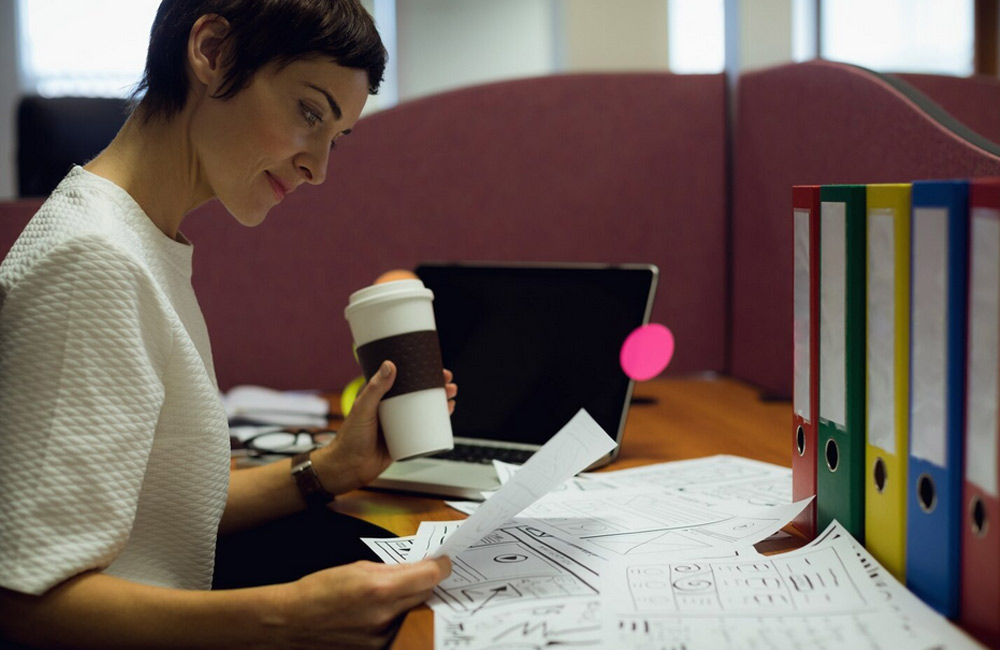
The transition from design to development is one of the most critical stages in web development. If designers and developers don’t collaborate seamlessly, misunderstandings, duplicate work, and unnecessary costs can arise. A structured workflow is therefore crucial for bridging the gap between creative vision and technical implementation. Clear communication, transparency, and documented processes ensure that the final product matches the vision exactly—both visually and functionally.
Step 1: Clear Briefings
It all starts with a precise briefing. Designers and developers should have a clear understanding of the goals, target audiences, functional requirements, and technical constraints. Only when both sides share the same understanding can the project be implemented efficiently. Clear communication at the outset saves a lot of time later on and prevents costly misunderstandings. Tools such as Notion, Asana or Trello help you track tasks, schedules, and responsibilities. They ensure transparency within the team and make sure no one loses track of what’s going on. Well-structured planning is the foundation for seamless integration between design and development later on.
Step 2: Design Prototypes and Mockups
In this phase, ideas become visible. Design prototypes serve as a bridge between concept and reality and enable early feedback. Tools such as Figma, Adobe XD or Sketch enable interactive mockups that allow developers to check for technical limitations or performance issues even before coding begins. This saves time and prevents the need for later rounds of adjustments. It’s worth discussing animations, spacing, and mobile versions together at this stage. This ensures that the design is not only visually appealing but also technically sound when implemented—a solid foundation for the entire development process.
Step 3: Style Guides and Design Systems
Consistency is the key to professional design. A clearly defined style guide or a component-based design system ensures that colors, fonts, buttons, and spacing are used consistently. This allows developers to quickly create recurring elements, which significantly speeds up development. A good design system grows with the project—it’s dynamic, well-documented, and customizable. Platforms like Storybook or Zeroheight help maintain these systems interactively. The result: efficiency, clarity, and scalability.
Step 4: Involve Developers from the Start
Developers should be involved as early as possible—ideally as early as the conceptual phase. This allows for technical feasibility, load times, and SEO considerations to be taken into account right from the start. If design decisions are made without technical feedback, delays and compromises are likely. Early communication builds trust and saves resources. This dialogue is essential, especially for complex projects (e.g., online stores or apps), to balance performance and usability. It also helps designers understand which elements are easy to implement—and where potential stumbling blocks lie.
Step 5: Ongoing Collaboration and Feedback
A modern project thrives on continuous improvement. Regular feedback loops between design and development are invaluable—they enable adjustments to be made early on, before major errors arise. Agile methods such as Scrum or Kanban provide a structured framework for this. Prototypes are tested in stages, user feedback is incorporated, and both design and code evolve together. This iterative approach not only saves time in the long run but also significantly improves quality. Open communication within the team also fosters creative solutions that would often be overlooked when working alone.
Step 6: Handoff & Documentation
The handoff is more than just sending files. It is the decisive moment when design becomes real functionality. All relevant assets—from the logo to typography to responsive variants—should be thoroughly documented and versioned. Tools such as Zeplin or Figma Inspect make it easier for developers to accurately replicate layouts. Good documentation reduces follow-up questions and ensures long-term maintainability. A final review phase is also recommended to ensure that the design and code are fully aligned.
Conclusion
A clearly defined design-to-development workflow is the foundation of every successful web or app production. When designers and developers collaborate as equals, synergy replaces friction. A structured process saves time, reduces errors, and leads to professional results. At aurelix, I combine design and development under one roof—ensuring that vision and implementation are always in harmony. The result: clear communication, efficient workflows, and websites that not only look beautiful but also function perfectly.
Further Resources
Image: freepik.com