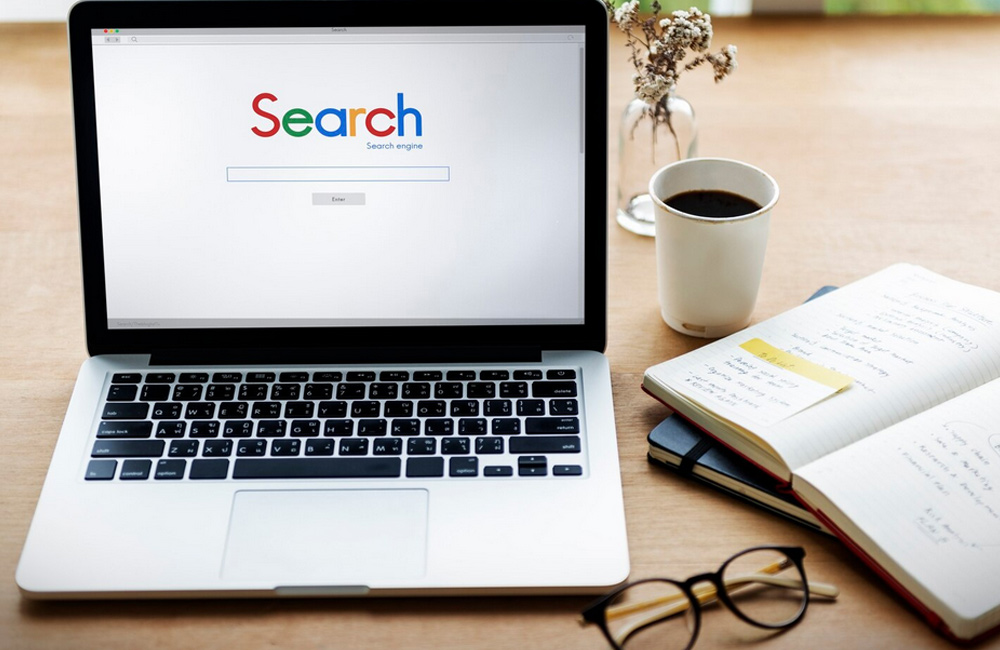
Google is no longer just a search engine—it’s the gateway to the digital world. Around 90% of all search queries worldwide go through Google, and on mobile devices, the figure is even higher at 95%. So if you want to be visible online, there’s no getting around Google.
1. What Google Really Looks For
Google evaluates websites based on hundreds of factors, but at its core, it always comes down to the same things: relevance, trust, and user experience. These five areas are crucial:
- Content & Value: Provide real answers to search queries, not just keywords. Content should be useful, clear, and authentic.
- Technical Foundation: A secure (HTTPS), fast-loading, and mobile-optimized website is preferred.
- User Experience (UX): If visitors stay longer, interact, and feel comfortable, Google views this positively.
- Authority & Trust: High-quality backlinks and clear brand messages boost your ranking.
- Structured Data: Schema.org markup helps Google better understand your content—a real visibility boost.
2. Why This Is Especially Important for Creatives and Small Brands
Many designers, coaches, or small studios rely on good design—but forget that Google can’t "see" design. Search engines understand structure, text, and utility. So if you design a beautiful website but ignore the basics of SEO, you’ll get lost in the crowd.
Clear positioning ("Branding for Freelancers" instead of just "Design Studio") helps Google—and your potential clients—immediately understand what you stand for.
3. The 5 most important questions for your website
- What exactly do I offer? Is your service immediately clear?
- Who do I work for? Do you clearly address your target audience?
- How do people find you? Do you use relevant keywords in your text, titles, and descriptions?
- How does your site work? Does it load quickly, work on mobile devices, and is it technically sound?
- Do visitors trust you? Testimonials, clear text, and a consistent brand identity strengthen your credibility.
4. Conclusion
Google remains the most important gateway to online visibility. Instead of focusing solely on aesthetics, a balanced approach is worthwhile: design, structure, and content must work together. If you, as a creative professional, invest your energy in building a solid foundation, you’ll become more visible in the long run—without any expensive advertising.
SEO doesn’t start with Google—it starts with your clarity, your message, and the way you make yourself visible.
Image: freepik.com