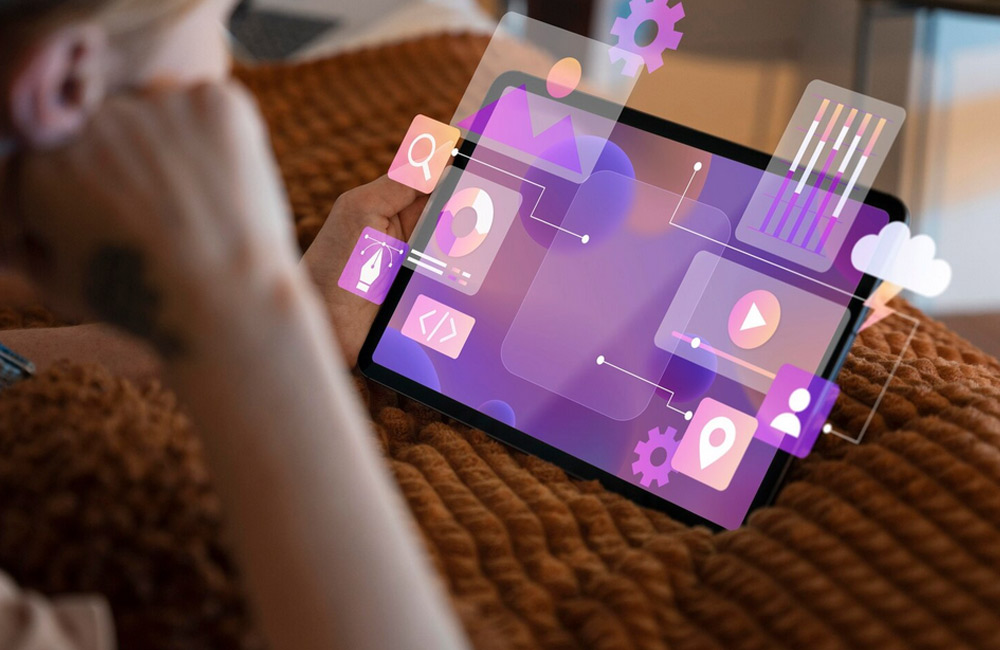
The digital world is evolving rapidly—and web design is also constantly changing. Anyone who wants to be successful in 2025 should be familiar with the most important trends and integrate them strategically into their websites. Through the strategic use of modern technologies, user-friendliness, and aesthetic design, companies can significantly increase their conversion rates and user retention.
1. Dark Mode and Color Variations
Dark Mode will become increasingly popular in 2025, as users appreciate its eye-friendly appearance and modern aesthetic. Websites should offer flexible color variations to cater to different moods and user preferences. In addition to comfort, Dark Mode enhances brand appeal, improves readability at night or in bright environments, and can save energy on OLED displays. Color variations also help create personalized user experiences and promote website recognition.
2. AI-Powered Personalization
Artificial intelligence enables personalized content in real time. From product recommendations to dynamic landing pages, AI improves the user experience and increases conversions. However, AI personalization should be used discreetly, transparently, and trustworthily so as not to overwhelm users or create a feeling of being monitored. It is recommended to present personalized suggestions as optional additions, so that control remains with the user.
Personally, I still prefer individual chats, emails, or phone calls, as they foster human interaction and trust. Nevertheless, AI can support efficiency and content customization when integrated correctly.
3. Microinteractions and Animations
Small animations and microinteractions improve usability and bring websites to life. Hover effects, animated buttons, or scroll animations increase engagement and user retention. Microinteractions provide feedback, guide users through processes, and ensure an interactive, intuitive experience. They help make complex functions easier to understand and contribute to brand perception.
4. Minimalist and Functional Design
Minimalism means using clear structures, generous white space, and a minimalist set of elements. Visitors grasp content more quickly, and actions become more intuitive. Minimalist design improves load times, UX, and conversion rates alike, while conveying professionalism and a focus on the essentials.
5. Mobile-First and Responsive Design
Smartphones are the primary means of accessing websites. The mobile-first approach ensures optimal display on all devices and directly improves the user experience, SEO, and conversions. Responsive design flexibly adapts to screen sizes and ensures that content remains easy to read and interactive at all times.
6. Voice UI and Voice Control
More and more users are turning to voice assistants. Websites should be optimized for voice search and adapt key content accordingly. A clear structure, easily readable content, and relevant keywords for voice commands increase discoverability and improve the user experience (UX). Voice UI opens up new possibilities for interaction and accessibility.
7. Sustainable Web Design & Performance
Fast loading times, energy-efficient servers, and optimized images reduce the environmental impact while simultaneously improving user experience and SEO.
Sustainable web design also supports corporate social responsibility and strengthens the brand image. Developing in a resource-efficient manner also results in better performance across all devices.
8. Storytelling and Immersive Experiences
Storytelling creates an emotional connection with visitors and makes content memorable. Interactive elements, scrolling experiences, and visual stories increase dwell time, brand loyalty, and conversion potential. Targeted storytelling makes complex content easy to understand and guides users through the website. Emotionally engaging experiences encourage repeat visits and brand loyalty.
Conclusion
Web Design 2025 combines aesthetics, user-friendliness, and modern technologies. Dark mode, AI personalization, microinteractions, mobile optimization, voice UI, and sustainable performance are among the key trends. Those who use trends consciously, subtly, and in a user-oriented way remain competitive, increase engagement, and offer visitors a compelling, modern experience.
Image: freepik.com