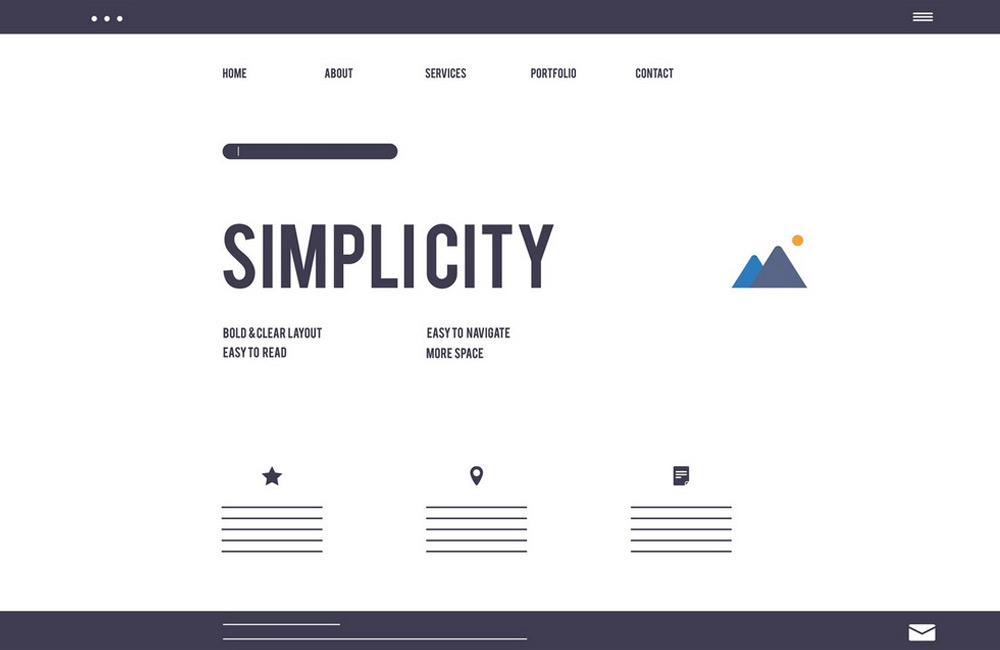
In the digital world, minimalism is not just an aesthetic trend, but a strategic concept that improves user experience, load times, and conversion rates. By consciously focusing on the essentials, you ensure that visitors can grasp the content more quickly and perform desired actions more easily.
1. Less Is More: Focus on the Essentials
Minimalist web design reduces distractions and directs visitors’ attention to the most important content. Clear structures, generous white space, and a minimalist design create a calm, focused user experience. Visitors feel less overwhelmed, process information faster, and stay on the page longer. A clear focus on core content also improves brand perception and builds trust.
2. Improved Load Times and Performance
Less complex layouts and optimized content mean faster load times. Fast websites increase user satisfaction, reduce bounce rates, and improve search engine rankings. Mobile users also benefit from shorter load times, which directly impacts conversion rates. Minimal graphics, compressed media, and clean coding further contribute to better performance.
3. Timeless Aesthetics
Minimalism is a design approach that doesn’t go out of style quickly. Classic typography, clean lines, and a limited color palette ensure that websites remain modern even years later. Timeless design conveys consistency and professionalism, which strengthens brand perception. At the same time, it facilitates future updates and adjustments without requiring a complete redesign.
4. Better User Experience (UX)
A clean design improves navigation, readability, and interaction. Visitors find content faster, understand offers more clearly, and feel more comfortable on the site—a crucial factor for conversions. Clear calls-to-action and structured menus increase interaction and promote long-term user engagement.
5. Focus on Conversion Elements
The focus is on calls to action, forms, and key information. Without unnecessary elements, visitors are more likely to take the desired actions. Strategic placement of conversion elements ensures that users intuitively find their way to sign-up, purchase, or inquiry. Fewer visual distractions increase the efficiency of marketing efforts.
6. Mobile-first and responsive design
Minimalist web design easily adapts to different screen sizes. Fewer elements mean better scalability and a consistent user experience on smartphones and tablets. Mobile-first design ensures that the most important content is visible first. Responsive layouts improve not only UX but also SEO and conversion rates across all devices.
Conclusion
Minimalist web design is far more than a trend—it’s a strategic decision for better usability, faster load times, and higher conversion rates. Those who focus on the essentials remain modern, user-friendly, and successful. The use of clear structures, white space, and targeted conversion elements ensures that visitors grasp content more quickly, stay longer, and take the desired actions.
Image: freepik.com