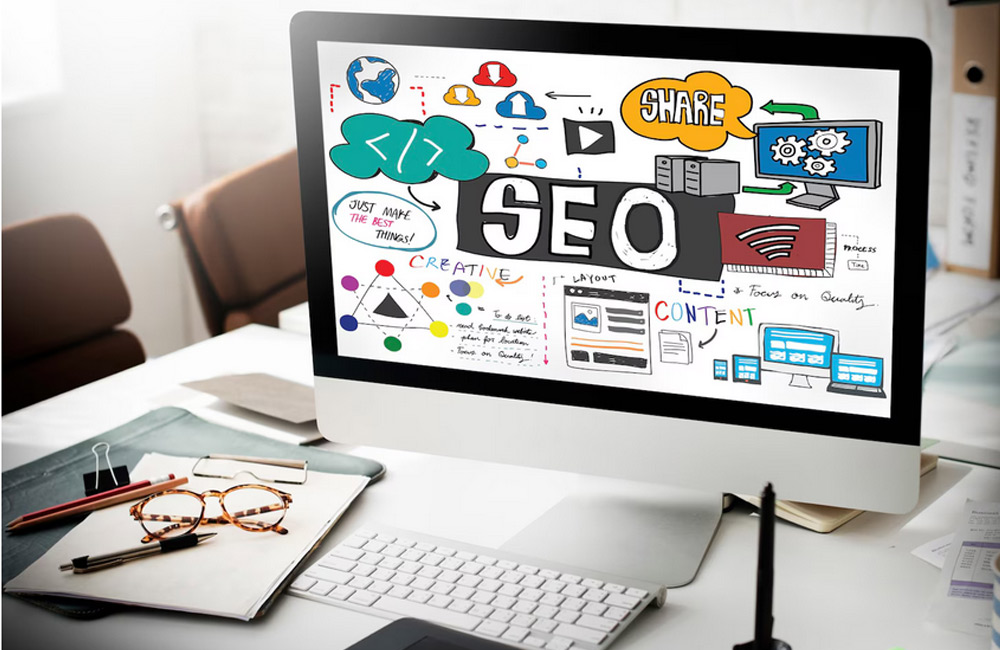
A well-thought-out website structure is the foundation of every successful SEO strategy. Only by aligning structure, content, and technology can you become visible on Google and retain users over the long term. A clear information architecture, strategic keyword placement, and technically sound implementation ensure that visitors find what they’re looking for faster—and that search engines better understand your site. This creates a digital foundation that stands the test of time.
1. Clear Page Structure and Navigation
A clear page structure is crucial for organizing content logically and guiding users effectively. Use H1, H2, and H3 headings with a consistent hierarchy so that search engines can understand the structure. Intuitive navigation with few levels helps visitors find their way around quickly. Every important page should be accessible via internal links—this helps search engines recognize its relevance. Structure main pages and subpages logically to improve both clarity and SEO effectiveness.
2. Use Keywords Strategically
Keywords are the link between search queries and content. Use tools like Google Keyword Planner or Ubersuggest to find relevant search terms and integrate them naturally into your text. They should be included in the title tag, meta description, headings, body text, alt text, and URLs. Supplement them with LSI keywords—that is, related terms that enhance context and clarity. Avoid keyword stuffing: Quality and readability always come first.
3. Content Quality and Added Value
Content is king—and remains the decisive ranking factor. Create content that offers real added value: understandable, relevant, and inspiring. Answer your target audience’s frequently asked questions, solve problems, and stay authentic. Long, well-structured articles with graphics, lists, and examples build reader trust. The more time users spend on your site, the stronger the signal to Google that your content is high-quality. Update regularly to maintain relevance over the long term.
4. Internal Linking & Calls to Action
A well-thought-out internal linking strategy connects pages and strengthens your content network. It shows search engines which pages are thematically related and what their priority is. At the same time, it makes it easier for visitors to navigate. Also include calls to action (CTAs) that encourage readers to take action—such as filling out contact forms, downloading files, or taking advantage of offers. A good balance between information and action increases dwell time and conversion rates.
5. Mobile-First & Responsive Design
With the mobile-first approach, you prioritize mobile use—since over 70% of all users browse via smartphone or tablet. Responsive design ensures that content looks and functions well on any screen. Optimized navigation, readable font sizes, and fast load times are crucial. Google considers the mobile user experience a direct ranking factor. A mobile-friendly website therefore means not only better usability but also better visibility.
6. Load Times and Technical Optimization
Fast loading times not only improve the user experience but also boost your Google ranking. Use tools like Google PageSpeed Insights or GTmetrix to identify bottlenecks. Optimize images (e.g., with TinyPNG), minimize CSS/JS files, and use browser caching. High-performance hosting and a secure HTTPS connection are essential. Technical errors such as duplicate content or broken links should be checked and fixed regularly.
Conclusion
Professional website development is more than just design—it’s a strategy. By aligning structure, content, technology, and user experience, you create a solid foundation for long-term success. SEO isn’t a one-time task—it’s a process. Every optimization—whether it’s loading times, navigation, or content—brings you closer to your goal: greater visibility, trust, and conversions. A good website works for you in the background—around the clock.
Image: freepik.com