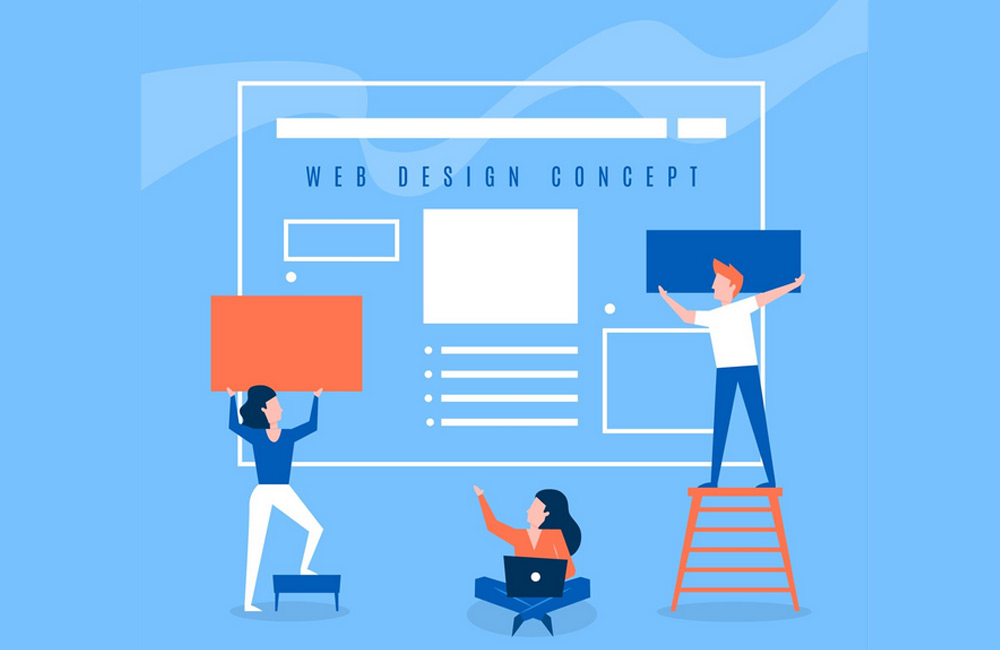
A clear website structure ensures that visitors can quickly grasp the content, easily navigate the site, and stay on the page longer. Search engines also benefit from a logical layout because they can better understand and index the content. A well-thought-out structure looks professional, builds user trust, and ensures a more pleasant user experience. Mastering structure lays the foundation for measurable online success.
1. Clear Navigation
Navigation is the backbone of every website. Clear categories, understandable menu items, and breadcrumbs provide orientation. Avoid too many menu levels so as not to overwhelm users. An intuitive menu ensures that visitors find what they’re looking for without detours. The simpler the path, the longer the dwell time—and the better the conversion.
2. Hierarchy of Headings and Content
A clear heading hierarchy improves both readability and structure. H1 stands for the main title, H2 for subtopics, and H3 for more detailed information. This logic helps visitors skim through content and grasp it quickly. It also helps search engines better recognize the importance of different content sections. A well-thought-out hierarchy is the foundation for good SEO and clear user guidance.
3. Logical Organization of Content
Well-structured content is easier to consume. Break up text into clear paragraphs, lists, quotes, or tables. This makes the content visually accessible and pleasant to read. Users stay on the page longer and absorb information more consciously. Visual organization builds trust and increases the motivation to read.
4. Internal linking
Internal links act as signposts in your website’s information network. They connect thematically related content and guide visitors deeper into your site’s structure. At the same time, they strengthen SEO by showing Google which pages are particularly relevant. Place links strategically—where they offer real added value to the reader. This keeps users on the page longer and increases visibility.
5. Mobile-First & Responsive Design
Mobile-first isn’t a trend—it’s a must. More than 70% of all page views today come from smartphones. Responsive design ensures that navigation, images, and text are displayed perfectly on every device. Make sure to use generous spacing, sufficiently large buttons, and short load times. A clear mobile layout increases user satisfaction and search rankings.
6. Visual Hierarchy
Colors, contrasts, and spacing guide the user’s gaze. Strategic use of these elements creates clarity and automatically leads visitors to important content. Icons or typography emphasize key points and visually structure the page. A well-thought-out design strengthens brand identity and conveys professionalism. Visual hierarchy is silent communication that builds trust.
7. Benefits for SEO and Users
A clean structure has two positive effects:
Users find what they're looking for faster, and search engines can index content more effectively.
This increases both visibility and user engagement.
Pages with a clear layout achieve lower bounce rates and higher conversion rates.
Structure is the invisible key to success in digital marketing.
Conclusion
Structure and hierarchy are at the heart of a successful website. Clear navigation, logical headings, and visual organization ensure a harmonious user experience. This benefits not only visitors but also your SEO ranking. Understanding structure creates clarity, trust, and long-term success.
Image: freepik.com