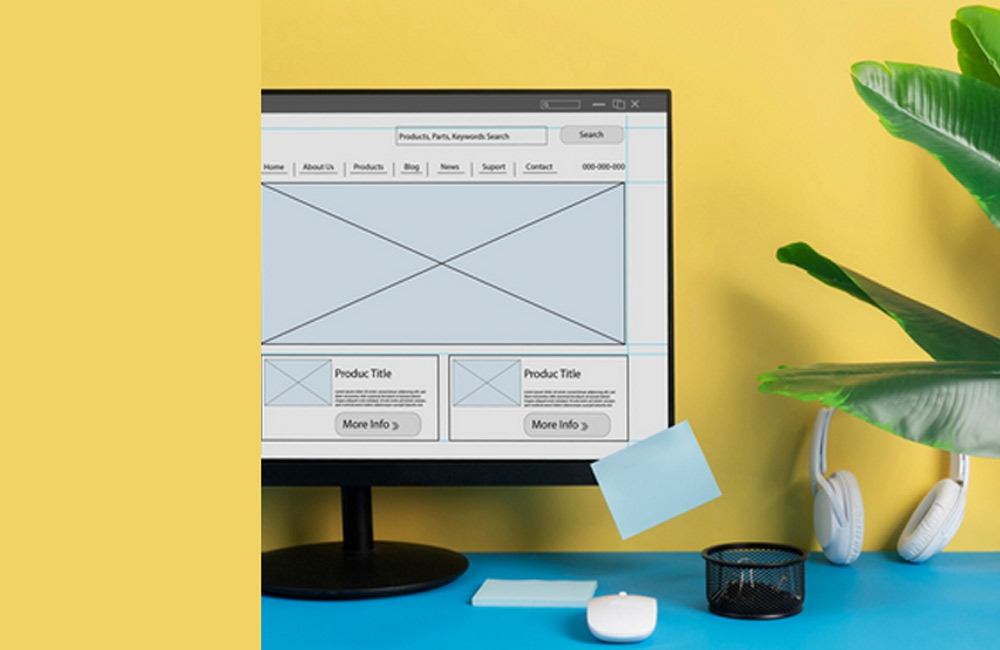
A well-structured content layout not only improves the user experience but also increases the visibility of your website in search engines. When your content is clearly organized, visually appealing, and logically structured, visitors feel intuitively guided—and stay on your page longer. A well-thought-out structure is therefore not just a design issue, but a real conversion driver.
1. Most Important First
Place the most important information right at the top of your page ("above the fold") so visitors immediately grasp what it’s about. People decide within seconds whether to stay or click away—so the main message must be immediately visible. Think of your homepage as a magazine cover: the title, image, and key message spark interest. Use clear headings, concise statements, and a visible call to action (e.g., "Request Now" or "Learn More"). A strong opening grabs attention and encourages visitors to scroll. This way, your page not only looks great but also comes across as goal-oriented right from the start.
2. Use a Logical Hierarchy
Structure is the foundation of every professional website. Use a clear information hierarchy with H1, H2, and H3 headings to organize content by topic. This helps not only your readers but also search engines better understand the relevance of your content. Organize information by importance: What visitors need to know first goes at the top. Lists, subheadings, and visual separators make the content easier to digest. Remember: A structured layout builds trust and signals expertise. The better you control the flow of reading, the more your message will stick in readers’ minds.
3. Paragraphs and White Space
Text blocks that are too dense deter readers. Give your content room to breathe. Adequate white space between paragraphs, images, and buttons improves readability and gives the design a more refined look. Studies show that users are more likely to read longer texts if they appear "light" visually. Use paragraphs strategically to separate key ideas, and keep each section focused. Generous spacing around call-to-action buttons also guides the eye effectively. This creates a page that exudes calm—yet still feels lively.
4. Incorporate Visual Aids
Images, icons, and colors speak directly to the subconscious. Use visual elements strategically to make content easier to understand and more memorable. Icons help with navigation, while high-contrast colors create focal points. Important: Don’t use visual accents as decoration, but as a strategic tool. For example, use arrows or frames to highlight key areas. Infographics or illustrated explanations can also help convey complex content more easily. Good visuals increase emotional engagement—and make your brand distinctive.
5. Place internal links strategically
Internal links are like little signposts throughout your website. They connect thematically related pages and help visitors understand your overall offering. Good internal linking not only improves the SEO structure, but also increases the time visitors spend on your site. Place links where they truly add value—not just anywhere. For example, you can refer to related topics or your portfolio in blog posts. This strengthens the connection between content and guides visitors step by step deeper into your offerings.
6. Think Mobile-First
More than 70% of all users browse on mobile devices today—so your site should be optimized for smartphones first. That means: a clear structure, large buttons, short text, and fast loading times. Long sentences and nested paragraphs often don’t work well on mobile. Think about how you can present information in small chunks—for example, using accordions, icons, or compact image galleries. Regularly test how your content performs on different devices. A mobile-friendly site isn’t just a ranking factor; it’s often the deciding factor in whether someone stays or leaves.
Conclusion
Placing content correctly means balancing structure and aesthetics. If you put the most important information front and center, use clear hierarchies, create visual calm, and cater to mobile users, you’ll reap double the benefits: satisfied visitors and better rankings. A well-structured page builds trust and invites exploration. Remember: Every position of a text or image says something about your brand—and influences how professionally you’re perceived. So be mindful of what you place where—and you’ll notice how your website becomes more vibrant and successful.
Image: freepik.com