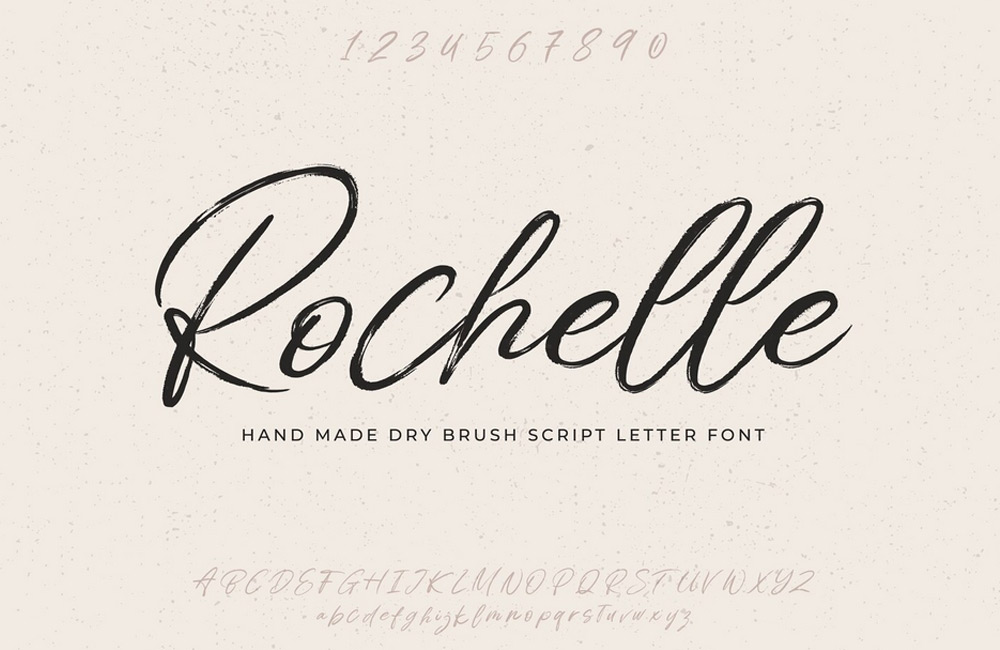
The choice of fonts is crucial for your website’s first impression. Modern fonts improve readability and user-friendliness and add style to your site. Typography isn’t just a design element—it’s part of brand communication—it evokes emotions, provides guidance, and subconsciously influences visitors’ trust. A carefully chosen font can reinforce your message and visually convey your brand’s character.
1. Why Fonts Are Important
Fonts convey emotions, brand identity, and readability. The wrong font can deter users, while appealing typography improves the user experience and builds trust. Every font has its own personality—it can appear serious, playful, modern, or traditional. That’s why it’s important that it aligns with your company’s tone. Readability should always be a top priority, because even the most beautiful font loses its value if it’s hard to read. Consistent typography contributes to your brand’s recognizability and ensures a harmonious appearance across all devices.
2. More Than Just Arial and Times New Roman
Standard fonts are reliable, but they often come across as boring. Google Fonts, Adobe Fonts, or system-native web fonts offer hundreds of options that suit your style. By using modern fonts, you can give your website a unique look and clearly set yourself apart from competitors. Today’s trends lean toward clean, geometric sans-serif fonts that are highly readable on both desktop and mobile devices. But serif fonts are also experiencing a revival, as they exude elegance and credibility. The art lies in combining style and functionality—"form follows readability."
3. Use Google Fonts
Google Fonts are free, easy to integrate, and optimized for web applications. They offer a huge selection of styles, weights, and variants. Popular options:
- Roboto: Modern, clean, and versatile
- Open Sans: Highly readable for body text
- Lato: Elegant and professional
- Montserrat: Perfect for headlines
They can be easily integrated using the <link> tag in the <head> or via CSS @import. This makes them immediately usable without installing any additional software. It’s important to load only the font weights you actually need—this reduces load times. You can find more information at Google Fonts. There, you can test, combine, and integrate fonts directly. This is how you combine design freedom with performance and security.
4. Choosing the Right Font Combinations
Combine no more than two to three fonts: for example, one for headlines and one for body text. Pay attention to contrast, harmony, and readability.
A common mistake is using too many fonts, which looks cluttered and unprofessional.
Well-chosen combinations create visual hierarchies and intuitively guide the user’s eye through the page.
Tools such as
Google Fonts
or
Font Pair
helps you choose suitable pairs.
If you're unsure, stick with the classics—they're tried and true, stylish, and work on almost all devices.
5. Consider readability and web standards
Size, line height, contrast, and letter spacing significantly affect readability. Sans-serif fonts are excellent for on-screen text, while serif fonts are ideal for headings or print-like designs. Ensure sufficient line spacing and contrast—this is especially essential in responsive design. Text that is too small or too densely packed can quickly tire visitors. Use font weight and color strategically to guide structure and draw attention. If you’re working with screen readers or accessibility, adhere to web standards (WCAG) to provide an optimal experience for all users.
6. Keep an Eye on Performance
Too many external fonts can increase load times. Load only the variants you need and use modern formats like WOFF2. Every millisecond counts, especially for mobile visitors. Faster page loading increases user satisfaction and indirectly has a positive impact on your SEO ranking. If possible, host the fonts locally on your server—this improves data privacy and loading speed. Remember: Performance isn’t just about technology; it’s also about user experience. An optimized typography concept intelligently combines design aesthetics with technical efficiency.
Conclusion
Fonts are an underrated but powerful design element. With modern fonts, clean combinations, and high readability, you can enhance your website’s visual appeal, keep users on your site longer, and strengthen your brand. Experiment with styles, but stay true to your brand identity. Typography is the voice of your brand—it speaks before a single word is read. Google Fonts and other web fonts make it easy to create professional and personalized designs without technical hurdles. In the end, what matters isn’t how unusual a font is, but how it conveys your brand’s message—clearly, authentically, and recognizably.
Image: freepik.com