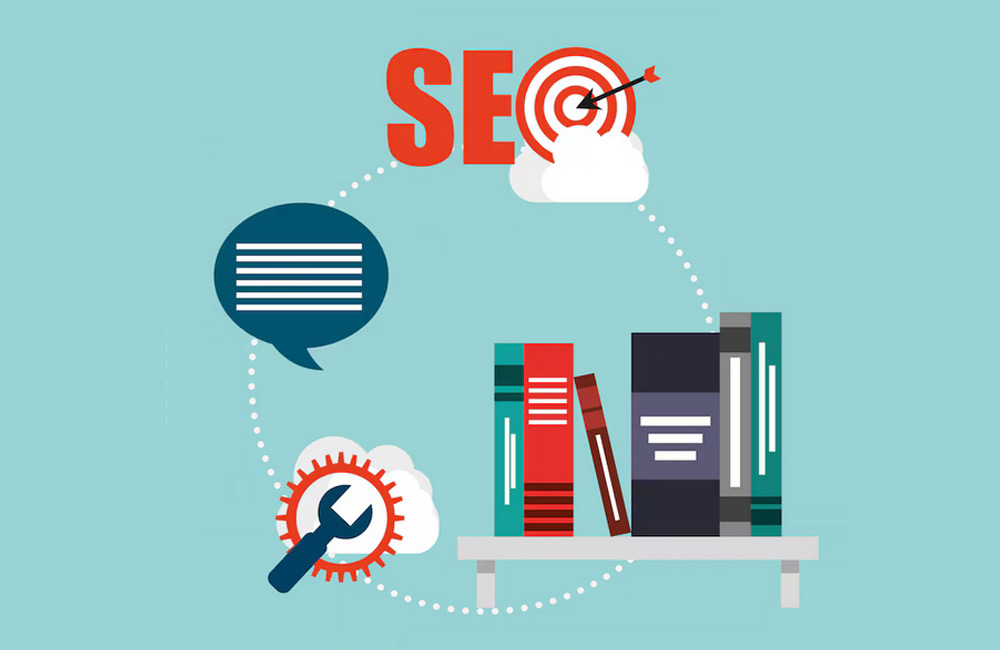
Good content is important—but without the right structure, it remains invisible to search engines. Structured websites help Google understand and properly categorize content. In this article, you’ll learn how meta tags, headings, and a clean page structure can help you get found more easily—and why clarity in the code is just as important as clarity in the design.
1. What are meta tags and why are they important?
Meta tags are small blocks of information in the HTML code that tell search engines what your page is about. They’re invisible to visitors but crucial for ranking. They help Google understand which topics and keywords are relevant to you. Well-maintained meta tags not only improve discoverability but also increase the click-through rate in search results. So they’re the invisible "salespeople" working behind the scenes for your website.
- Meta Title: The most important tag. It appears as the headline in Google search results. It should contain the main keyword and be no longer than 60 characters.
- Meta Description: A short description of your page. It influences the click-through rate and should be no longer than 160 characters.
- Meta Keywords: Once important, now obsolete—you can leave them out.
Tip: A meta title with a clear value proposition can significantly increase the click-through rate. You can find more information on optimal meta tags at Google Search Central.
2. Heading Structure (H1 to H6)
Headings provide structure and guide the reader through a page. They help search engines understand which content is primary and which is secondary. A clear hierarchy not only makes text more visually appealing but also easier for the crawler to process. This helps Google recognize what’s truly important.
- H1: The main heading—only once per page. Contains the most important keyword.
- H2: Subheadings that organize central topic sections.
- H3–H6: Additional subheadings for fine-tuning the structure (optional).
Tip: Use keywords sensibly in your headings, but avoid "keyword stuffing." Naturalness counts! A sentence can still sound fluid even if it contains an important keyword. If you think of your headings as a table of contents, your website will automatically become more logical. It’s worth taking a look at Moz: Title Tags & Headings.
3. A Logical Page Structure
A clear page structure is important not only for Google but also for your visitors. Pages should be logically structured, easy to navigate, and clearly linked. The more understandable your website’s architecture is, the better Google can index it—and the faster users can find what they’re looking for.
- Use a clear navigation structure with few levels.
- Use descriptive URLs, e.g., /services/web-design instead of /page?id=23.
- Include internal links to related content—this strengthens the thematic connection.
Pro Tip: A good structure guides visitors through your site like an invisible thread. This not only increases the time spent on your site but also lowers the bounce rate.
4. Mobile & Technical Aspects
Technical SEO is the foundation for everything else. Search engines favor websites that work well on mobile devices and load quickly. A responsive design ensures that your website adapts to any screen size—from desktop to smartphone. Also, make sure your images are optimized, your files are compressed, and your code is clean.
Technical errors such as duplicate content, broken links, or faulty redirects can severely harm your ranking. Regular checks using tools like Google PageSpeed Insights or SEMrush Site Audit help you identify and fix technical issues early on.
5. Common Beginner Mistakes
Many websites lose ranking points due to simple mistakes that could be avoided. Missing or duplicate H1 tags, neglected meta descriptions, or a cluttered layout can severely impact your visibility. The absence of internal links or bloated code are also common pitfalls.
- Missing or Duplicate H1 Tags
- No Meta Description or Excessively Long Text
- Unclear Page Structure Without Internal Links
- Cluttered Layout on Mobile Devices
Conclusion: Less is often more. A well-organized, clearly structured website with thoughtfully placed meta tags yields better long-term results than over-optimized, unnatural-looking pages.
Conclusion
SEO starts with a solid foundation: clean meta tags, a clear heading hierarchy, and a logically structured page layout. Mastering these fundamentals lays the groundwork for long-term success in online marketing. These elements are like the foundation of a house—invisible, but supportive.
A website that is technically and structurally sound is easier to optimize, loads faster, and is indexed more effectively. This turns good content into real visibility—and clicks into customers.
Image: freepik.com